
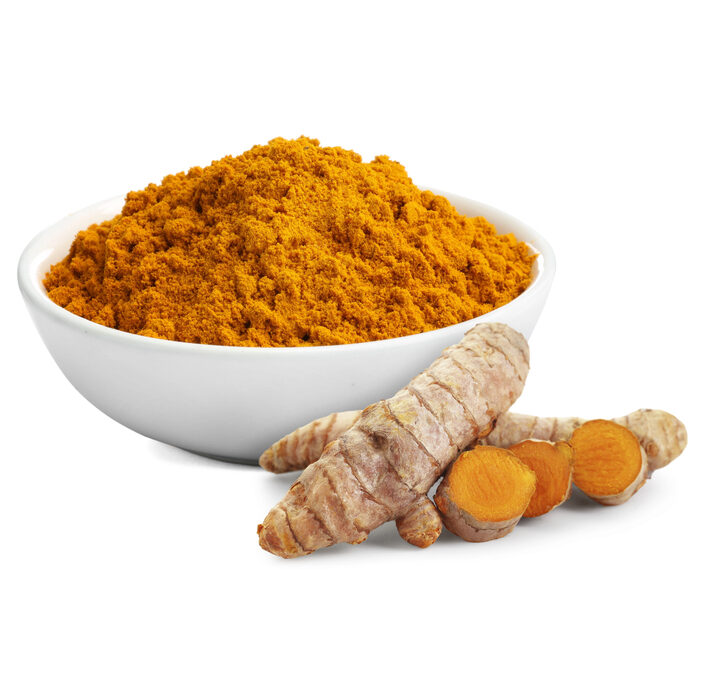
Turmeric has played a role in cooking and traditional wellness practices for centuries. In recent years, however, this vibrant golden spice has gained even more attention for its potential health benefits.
Much of the interest centers on curcumin, one of turmeric’s primary active compounds. Researchers continue to study curcumin for its possible effects on inflammation, antioxidant activity, heart health, and brain function.
So, is turmeric really good for you? Let’s take a closer look.
Turmeric and Heart Health
Research suggests that curcumin may support certain aspects of cardiovascular health. For example, researchers have studied its potential effects on blood vessel function, oxidative stress, and cholesterol levels.
However, turmeric shouldn’t replace proven heart-healthy habits or medical treatment. Instead, think of it as one flavorful ingredient that can be part of an overall nutritious diet.
Turmeric and Inflammation
Curcumin has attracted considerable attention for its anti-inflammatory properties. Because inflammation plays a role in many health conditions, researchers continue to investigate how curcumin may affect inflammatory pathways in the body.
Some studies have also explored curcumin supplements for joint discomfort and conditions such as rheumatoid arthritis. Although the findings are promising in some areas, research continues, and turmeric should not be a substitute for prescribed treatment.
Turmeric and Brain Health
Curcumin may also benefit brain health. In particular, researchers have investigated its relationship with brain-derived neurotrophic factor, commonly called BDNF (Brain-derived neurotrophic factor).
BDNF plays an important role in the health and function of nerve cells. Therefore, researchers are interested in whether curcumin could influence processes associated with learning, memory, and cognitive health.
Still, we need more research before drawing firm conclusions about turmeric’s ability to prevent cognitive decline.
Turmeric and Antioxidant Activity
Turmeric may also help support the body’s antioxidant defenses.
Free radicals can contribute to oxidative stress when they accumulate faster than the body can manage them. Fortunately, the body has its own antioxidant defense systems. Researchers continue to study whether curcumin may complement those natural defenses.
How to Use Turmeric
Curcumin has relatively poor bioavailability, which means the body doesn’t absorb it particularly well on its own.
However, pairing turmeric or curcumin with black pepper may improve absorption. Black pepper contains piperine, a compound that can significantly increase curcumin’s bioavailability.
You can also enjoy turmeric as part of meals that contain healthy fats. Try adding it to soups, curries, roasted vegetables, rice dishes, smoothies, or sauces.
What About Turmeric Supplements?
Turmeric supplements typically provide much higher amounts of curcumin than you would get from using turmeric as a culinary spice.
Although researchers have studied curcumin supplements for joint discomfort and other health concerns, more isn’t necessarily better. Supplements can cause side effects and may interact with certain medications.
Therefore, talk with your healthcare provider before taking a high-dose turmeric or curcumin supplement. This is especially important if you take medications or have an existing health condition.
The Bottom Line
Turmeric isn’t a magic cure. However, it can be a flavorful and nourishing addition to an overall healthy eating pattern.
Adding turmeric to everyday meals is also an easy way to experiment with new flavors. Whether you stir it into a soup, sprinkle it over roasted vegetables, or add it to a favorite curry, a little turmeric can bring both beautiful color and warm, earthy flavor to your plate.