
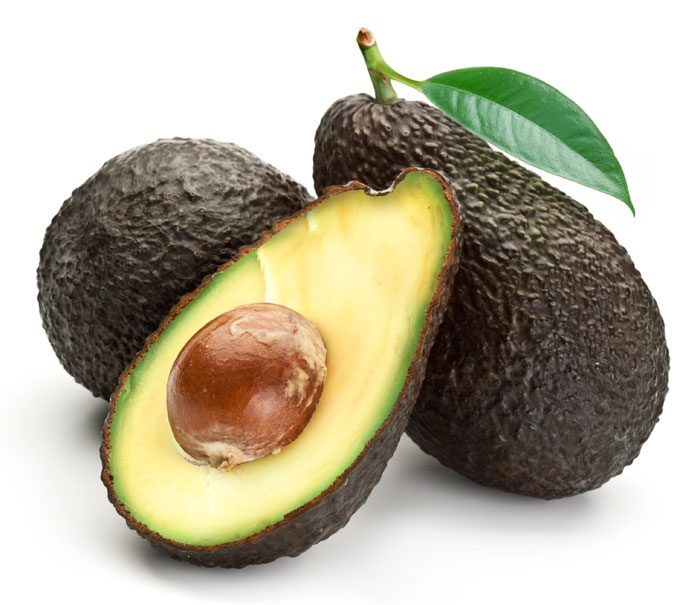
Creamy, rich, and naturally satisfying, avocado is a beloved staple in plant-based cooking. It can be sliced onto toast, blended into smoothies and dressings, mashed into dips, or added to salads, grain bowls, and wraps for extra flavor and texture. With its smooth texture and nourishing goodness, avocado brings freshness and comfort to a variety of plant-based meals.
The Health Benefits of Avocados
The key to the avocado’s power-food status is the monounsaturated fats. However, the fact that avocados contain fat can be a reason for some to steer clear of them completely. But one shouldn’t judge avocados so harshly. Monounsaturated fats may actually lower levels of LDL (the bad cholesterol) while increasing levels of HDL (the ‘good’ cholesterol). Avocados are high in fiber, providing roughly 13 grams each, and they offer more potassium per gram than bananas. The boron in avocados may also help the body absorb calcium, which is an added plus.
Disclosure: This post contains affiliate links. If you click and make a purchase, I may earn a small commission at no extra cost to you.
How To Buy Avocados
Choose avocados that are heavy for their size and have blemish-free skin. If you need a ripe avocado, find one that yields to gentle pressure.
How To Store Avocados
Store avocados at room temperature. Avocados ripen best at 60 °- 75 ° F. To quickly ripen an avocado, store it in a brown paper bag for about 24 hours. Do not store an unripe avocado in the refrigerator, or it will never ripen. Once an avocado is ripe, you can store it in the fridge for a few days to keep it from ripening further until you can enjoy it. Only cut an avocado when you are ready to use it. To store any unused avocado, add a little lemon or lime juice to the flesh, or simply cover the flesh with plastic wrap. You might also try an avocado keeper!
How To Prepare Avocados
To prepare an avocado, simply cut it in half lengthwise around the pit, then twist the two halves to separate them. Remove the pit carefully by tapping it with a sharp knife, then twist the pit to loosen it, or pry it out with a spoon and discard it. Scoop the flesh out with a spoon and slice or mash it as desired, adding lemon or lime juice to prevent browning.
Looking for more plant-based basics? Visit our Nutrition Guide.