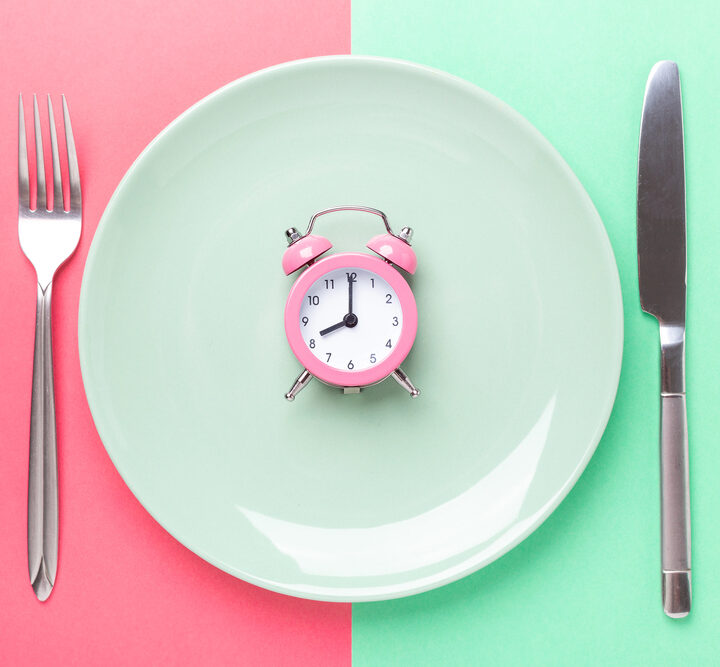
Intermittent fasting has become one of the most talked-about approaches to eating in recent years, with many people exploring it for reasons ranging from weight management to energy and overall wellness.
At its core, intermittent fasting is less about specific foods and more about when you eat. While some people find it helpful and sustainable, others may not feel their best with structured fasting patterns. As with many aspects of health, the most supportive approach often depends on individual needs, lifestyle, and balance rather than on strict rules or trends.
What Is Intermittent Fasting?
• Intermittent fasting is an eating pattern (not a diet)
• Cycles of eating and fasting
• Common methods (16:8 fast for 16 hours and consume all daily calories in an 8-hour window) or (5:2 consume a typical amount of calories for 5 days and very little or nothing for 2).
Potential Benefits of Intermittent Fasting
- Weight loss through reduced calorie intake
- Improved blood sugar and insulin sensitivity
- Lower inflammation and heart health markers
Risks and Downsides to Consider
• Not suitable for everyone (if you’re pregnant or have certain medical conditions)
• Hunger, fatigue, and headaches
• Risk of under-eating or nutrient gaps
• Long-term effects still being studied (the jury is still out)
Is Intermittent Fasting Better Than Other Diets?
• Weight loss often comes from eating less overall, whether through intermittent fasting or not
• Not necessarily better, just different
•Sustainability matters most, and this can be a tough one for some to sustain
A Balanced Approach to Intermittent Fasting
• Focus on nutrient-dense foods
• Avoid extremes
• Listen to your body
• Consistency over restriction
The Bottom Line
• Can be helpful for some
• Not necessary for good health
• Personal choice matters, so do what feels right for you
There is no single eating pattern that works perfectly for everyone, and intermittent fasting is no exception.
For some people, it may feel supportive and sustainable, while others may feel better with a more flexible approach to meals and nourishment. The most important thing is finding habits that support your energy, health, relationship with food, and overall well-being in a way that feels realistic and balanced over time.