Food labels can sometimes feel more confusing than helpful. Terms like “best by,” “sell by,” and “use by” are printed on countless products, yet many people aren’t entirely sure what those dates actually mean—or whether food is still safe to eat once the date passes.
Understanding food dating labels can make grocery shopping, meal planning, and food storage feel a lot less stressful. It can also help reduce unnecessary food waste. So, what does it all mean? Let’s get into it.
Open dating is a calendar date applied to a food product by the manufacturer or the retailer. This date indicates how long the product will be at peak quality. It also tells the store how long to keep the product on the shelf.
Closed dating is a code, consisting of letters and/or numbers, used by the manufacturer to indicate the date and time of production.
- SELL BY: This is a guide for retailers that indicates when the product should be sold or removed from store shelves; still plenty of time to consume.
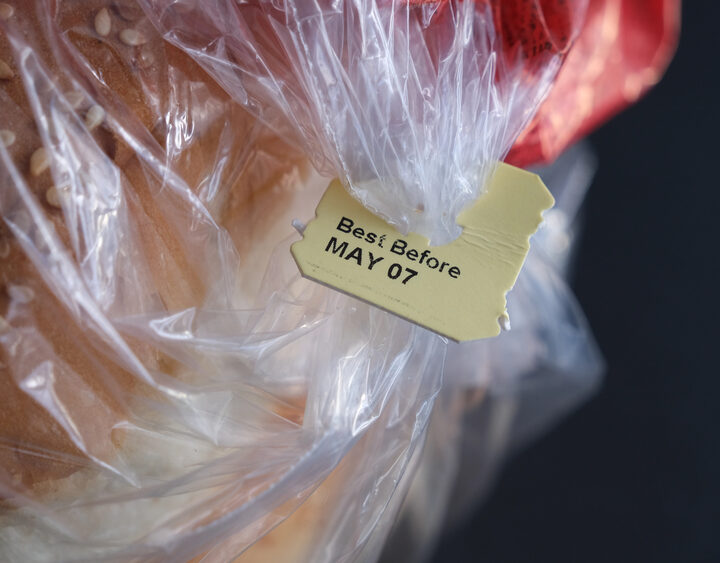
- BEST BY or BEST BEFORE: The recommended date by which the product should be consumed.
- USE BY: The last date the food should be consumed. After which, the quality will deteriorate, and safety might become an issue.
Understanding food date labels is a simple step that can make your choices about food safety seem effortless.
While food safety should always remain important, many printed dates are more about quality and freshness than immediate danger. Understanding the differences can help reduce unnecessary waste, and encourage more thoughtful choices that benefit both our households and the environment over time.