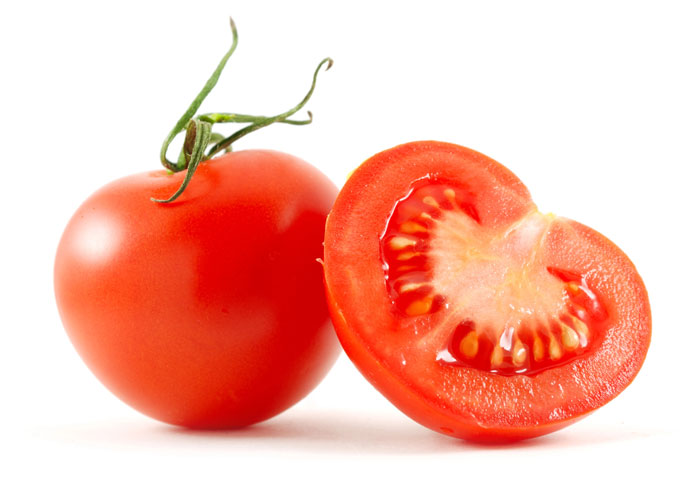
From rich pasta sauces and comforting soups to fresh salads, sandwiches, and salsas, tomatoes are one of the most versatile ingredients in the kitchen. Their bright flavor, vibrant color, and natural sweetness can transform simple plant-based meals into truly satisfying dishes. Whether roasted, blended, diced, or enjoyed fresh from the garden, tomatoes bring warmth, freshness, and endless creativity to plant-based cooking.
The Health Benefits of Tomatoes
Most produce offers greater nutrition when consumed raw. Tomatoes, however, are an exception to the rule. Health studies establish the many benefits of lycopene, a phytochemical found in tomatoes. You get more phytochemicals from a canned or cooked tomato than you do from a freshly picked one. A cooked tomato contains anywhere from 2 to 8 times more lycopene than a raw one because the carotenoid is tightly bound within a tomato’s cell walls. Heat breaks down those walls, which releases more lycopene for absorption and use by the body. Canned tomatoes, jarred salsa, spaghetti sauce, tomato paste, tomato soup, and even ketchup are all good sources of lycopene. Lycopene is responsible for the fruit’s bright red and orange colors. In addition, it is associated with a lower risk of macular degeneration and some types of cancers, including prostate, cervical, breast, and lung.
How to Buy Tomatoes
Choose plump tomatoes with taut skin, deep color, and an earthy scent. Avoid those with bruises. Heirloom tomatoes, though sometimes misshapen, are among the most flavorful. These tomatoes are more susceptible to cracking, but as long as the crack has mended and you can’t see through to the flesh, these blemishes should not affect their taste.
How to Store Tomatoes
Store tomatoes at room temperature – not in the refrigerator. Refrigerate only after you have cut into one. Tomatoes will stay fresh for 2 to 3 days, sometimes a little longer. You can place Unripe tomatoes in a brown paper sack to accelerate ripening.
How to Prepare Tomatoes
Because lycopene is fat-soluble, be sure to eat raw and cooked tomatoes with some healthy fat. Olive oil is the traditional choice.
The History of Tomatoes
For much of our history, the tomato’s health benefits went unnoticed. That’s because the tomato is part of the nightshade family — some of whose members are deadly, so people assumed the tomato was poisonous as well. They weren’t entirely wrong: A tomato’s leaves and stems are toxic. It’s only been in the last 200 years that people have known tomatoes are safe to eat. Legend will tell you that Colonel Robert Gibbon Johnson of Salem, New Jersey, shocked his hometown in 1820 by safely consuming a basketful of tomatoes in front of a horrified crowd of spectators.
Looking for more plant-based basics? Visit our Nutrition Guide.