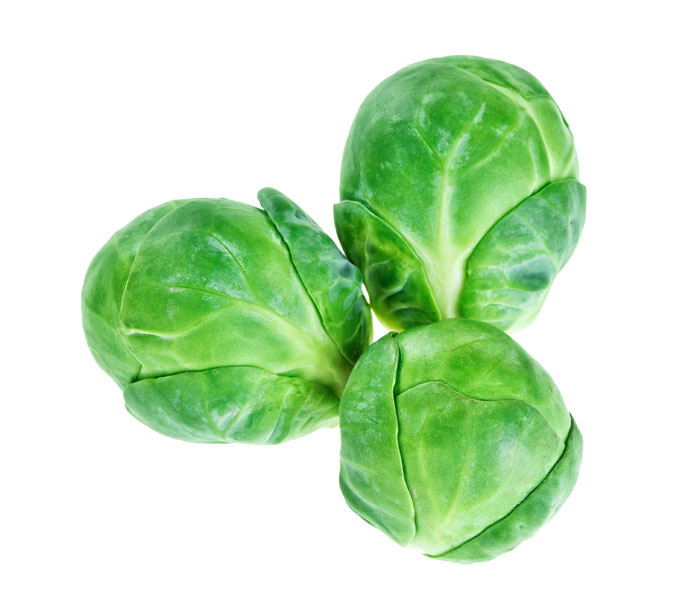
Nutty, hearty, and wonderfully nutritious, Brussels sprouts are a delicious addition to plant-based cooking. They can be roasted (our favorite) until crispy on the outside and tender on the inside. They can be sautéed, shaved into salads raw, or added to rice bowls and side dishes. With their rich flavor and satisfying texture, Brussels sprouts bring warmth, depth, and a cozy touch to a variety of plant-based meals.
The Health Benefits of Brussels Sprouts
Brussels Sprouts are a cruciferous vegetable with a wealth of phytonutrients called glucosinolates, which are thought to fight cancer and are responsible for their pungent smell when cooked. In addition, isothiocyanates, by-products of these sulfur-containing compounds, stimulate the liver to produce detoxifying enzymes that aid in the elimination of potentially carcinogenic substances.
Research shows a relationship between the consumption of cruciferous veggies and a reduced risk of premenopausal breast cancer. In addition, these baby cabbages provide a ton of vitamin A, promoting a strong immune system and healthy skin. The sprouts are also high in fiber, vitamin C, and folate.
How to Buy Brussels Sprouts
You want hard, bright green sprout heads with tightly packed leaves. You can buy them still on the stalk, loose, or in some cases, pre-washed and bagged.
How to Store Brussels Sprouts
If you purchased the sprouts on a stalk, separate them and place them in an airtight plastic bag in the refrigerator for up to five days.
How to Prepare Brussels Sprouts
Trim whole sprouts at the base, leaving a small section of the base intact to keep leaves from peeling away. Steam sprouts no longer than 10 minutes. Overcooking will produce an unappealing sulfur smell and break down their nutritive value. You can also roast the sprouts by first trimming and then halving them. Spread the sprouts on a rimmed baking sheet, toss with a little extra virgin olive oil to coat, and season with a dash of salt and pepper. Cook in a 425° oven, tossing halfway through for even cooking. Cook for 25 to 30 minutes or until fork-tender. Drizzle with a touch of balsamic vinegar (before or after roasting) for even more deliciousness.
Looking for more plant-based basics? Visit our Nutrition Guide.