Composting is one of those small, quiet habits that can make a surprisingly big difference.
Instead of throwing food scraps away, you’re turning them into something useful—rich, nourishing soil that gives back to the earth. It’s simple, natural, and once you get started, it becomes second nature.
The best part? You don’t need a garden, a lot of space, or any special experience to begin.
Disclosure: This post contains affiliate links. If you click and make a purchase, I may earn a small commission at no extra cost to you.
What is Composting?
Composting is the natural breakdown of organic matter into soil. It turns food scraps and yard waste into “black gold.”
Why Composting Matters
Composting reduces landfill waste and methane emissions. It improves soil health and plant growth, helps retain water, and reduces the need for commercial fertilizers.
How to Compost
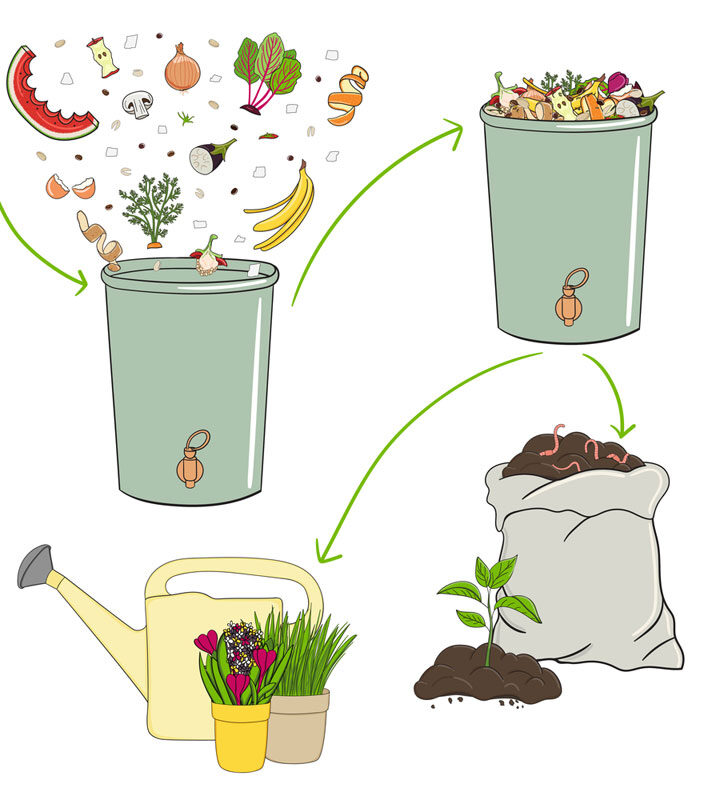
If you live in a house, a duplex, or even an apartment and have enough space, there is the Yimby Tumbler Composter. For apartment dwellers or anyone without a whole lot of extra space, there are smaller systems, such as the Norpro 1 Gallon Stainless Steel Compost Keeper. Choose your bin (or pile) and add greens and browns. Keep it slightly moist and turn the compost occasionally.
What You Can (and Can’t) Compost
Can Compost:
- Fruit and vegetable scraps
- Coffee grounds
- Leaves and yard waste
Avoid Composting:
- Meat
- Dairy
- Oily foods
How To Use Your Compost
Apply finished compost to lawns and gardens to help condition the soil and replenish lost nutrients. However, it should not be used as potting soil for houseplants because of the presence of weeds and grass seeds.
In closing, composting isn’t about doing everything perfectly—it’s about doing something small, consistently, that gives back.
With each peel, each scrap, each handful added to the pile, you’re creating something quietly powerful. And over time, those small choices begin to add up in ways that feel both simple and deeply meaningful.