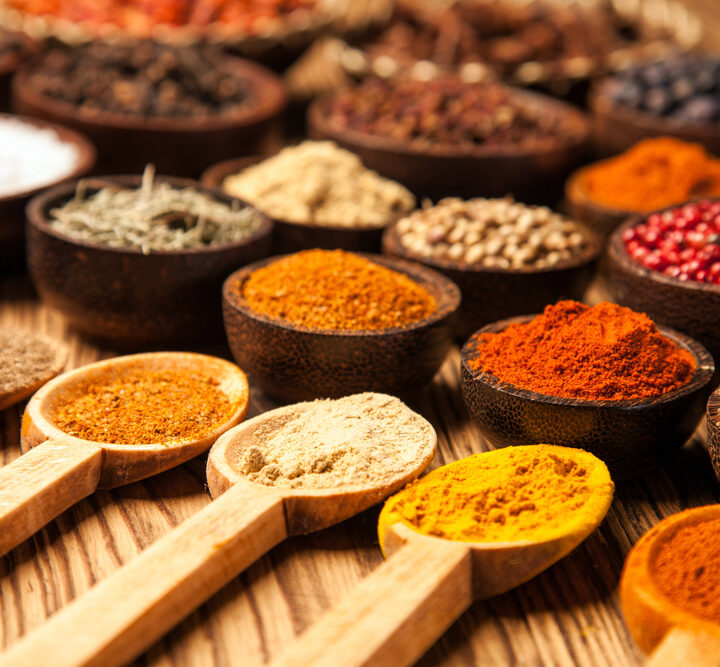
Herbs and spices can transform a meal—adding depth and warmth with just a pinch. But beyond flavor, they also bring a surprising boost of nourishment, supporting everything from digestion to overall wellness.
Once you start using them with intention, cooking becomes less about complexity and more about bringing simple ingredients to life.
What’s the difference between herbs and spices?
• Herbs = leafy parts (think basil, parsley)
• Spices = roots, seeds, bark (think cinnamon, turmeric)
The health benefits of herbs and spices are surprisingly endless
Herbs and spices are rich in phytochemicals and antioxidants, and they have anti-inflammatory properties. For example, turmeric reduces joint pain, lowers inflammation, improves heart health, and supports brain function. Whereas ginger and peppermint improve digestion, relieve nausea and bloating, and can help reduce stomach pain. Some herbs and spices, such as garlic, support immune function, and others, like oregano—packed with antioxidants—help with inflammation caused by colitis and arthritis, support gut health and digestion, and inhibit bacterial growth.
How herbs and spices can transform your cooking
• Add flavor without excess salt or oil
• Make simple meals more exciting
• Elevate plant-based dishes
Easy ways to use herbs and spices every day (Including an Italian Seasoning Recipe)
• Add cinnamon to oatmeal and smoothies—cinnamon helps regulate blood sugar, is heart-healthy, and helps combat cellular damage.
• Use garlic and herbs in savory dishes—garlic supports cardiovascular function, strengthens the immune system, and provides antioxidant defense.
• Sprinkle fresh herbs over meals and use as a garnish—fresh herbs not only add color for eye appeal and fragrance but also provide nutritional benefits.
• Build simple spice blends such as an Italian seasoning blend: Two tablespoons of dried oregano, one tablespoon each of dried thyme, rosemary, basil, marjoram, and parsley. One teaspoon each of garlic powder and red pepper flakes (optional), but we like the heat.
Fresh vs. Dried Herbs: What to Know
• Fresh = brighter flavor – usually added to recipes at the end of the cooking process to keep their color and flavor freshest, or to fresh salads, vegetable and fruit dishes.
• Dried = more concentrated – usually added early on in the cooking process to develop the most flavor.
The Bottom Line
• Small additions = big impact
• Flavor + health together
• Simple, everyday use (the more familiar you are with them, the more you’ll begin to reach for them)
Herbs and spices do so much more than simply add flavor to a meal. They bring warmth, variety, and color, and generations of tradition into the kitchen while also offering simple nutritional benefits.
Sometimes the smallest ingredients can make everyday meals feel more comforting, nourishing, and enjoyable. Exploring different herbs and spices can be a simple and meaningful way to add both flavor and mindfulness to the foods we prepare each day.