
Inflammation is a natural response in the body, but when it becomes chronic, it may affect overall health and well-being in ways many people don’t immediately notice.
While no single food can completely prevent of eliminate inflammation, certain nutrient-rich foods may help support the body as part of a balanced, healthy lifestyle. Often, the goal isn’t perfection—it’s simply creating more consistent habits that nourish and support the body gently over time.
Below are 9 foods that, when incorporated regularly into your diet, may help with chronic inflammation.
Broccoli
Broccoli is a virtual disease-fighter, rich in healthy compounds such as beta-carotene, folate, vitamin C, and the inflammation-fighting flavonoid kaempferol. Broccoli also contains sulforaphane, which experts say helps the body cleanse itself of cancer-causing compounds.
Cherries
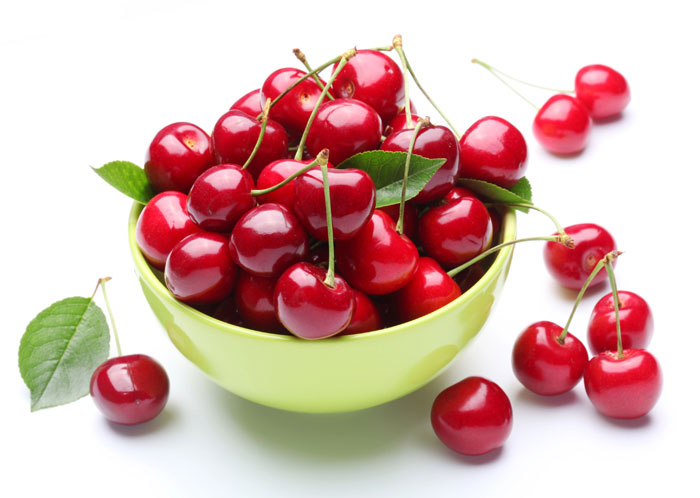
Tart cherries are an excellent source of anthocyanins, which may be better at fighting inflammation than aspirin, according to one study conducted by a group of researchers at Michigan State University. Though more research is needed to determine how much of an effect this compound has when consumed as tart cherries or cherry juice, there is no harm in regularly adding cherries, sweet or tart, to your diet.
Cocoa
Cocoa contains anti-inflammatory compounds called flavanols, which are substances that reduce both blood clotting and inflammation in the body. Enjoying a cup or two of hot cocoa per week can help reduce inflammation. Keep in mind, however, that trying to get your cocoa in the form of candy will increase your intake of processed sugar and saturated fats.
Cranberries
Cranberries are a powerhouse food, with studies linking them to benefits such as inhibiting the growth of cancerous tumors and lowering bad (LDL) cholesterol. Scientists say that the berries’ rich supply of anti-inflammatory antioxidants contributes to their healthful effects. As a bonus, cranberries also contain tannins, substances that can act as a natural antibacterial agent to fight off urinary tract and E. coli infections.
Extra-Virgin Olive Oil
Extra-virgin olive oil, an unrefined type of olive oil, contains a substance called oleocanthal that inhibits two enzymes (COX-1 and COX-2) involved in inflammation. A 2005 study in the journal Nature found that oleocanthal inhibits inflammation in a manner identical to that of the painkiller ibuprofen.
Grapes
A 2004 study in the medical journal Arteriosclerosis, Thrombosis, and Vascular Biology found that people with stable coronary disease lowered the number of inflammatory markers in their blood by drinking Concord grape juice. This finding was likely due to the presence of resveratrol in the grapes’ skins, which inhibits inflammation and may even help to fight cancer. Eating grapes rather than drinking them also adds fiber and eliminates added sugar.
Red Wine
Red wine contains a compound called resveratrol, which has been found to have both anti-inflammatory and anti-cancer properties. Scientists say the presence of this compound may help explain the so-called “French paradox”: why the French, who drink red wine with most meals, can eat a diet that’s quite high in saturated fats and still have healthy arteries and hearts.
Tea
Generally, beverages high in water content have anti-inflammatory properties, and tea is an excellent choice. White tea, oolong tea, and green tea are rich of catechins, antioxidant compounds that help reduce arterial plaque and inflammation. Tea has also been linked to reduced risks of heart disease, diabetes, and cancer.
Walnuts
Walnuts contain the “plant version” of omega-3 fatty acids, a substance known as ALA, which reduces inflammation in the body. In a 2004 study published in the Journal of Nutrition, scientists found that people who ate at least 2.3 ounces of walnuts and flaxseed (which also contain ALA) daily had reduced levels of inflammatory markers such as C-reactive protein (CRP), a significant indicator of a person’s risk for heart disease. Adding walnuts to salads and flaxseed to oatmeal are great ways to incorporate omega-3 fatty acids into your diet.
Supporting overall health often comes back to simple, consistent habits rather than quick fixes or perfect diets.
Adding more nourishing, plant-based foods to your meals can be a gentle way to support your body naturally over time. Little choices—repeated day after day—can quietly contribute to a lifestyle that feels more balanced, supportive, and sustainable in the long run.