
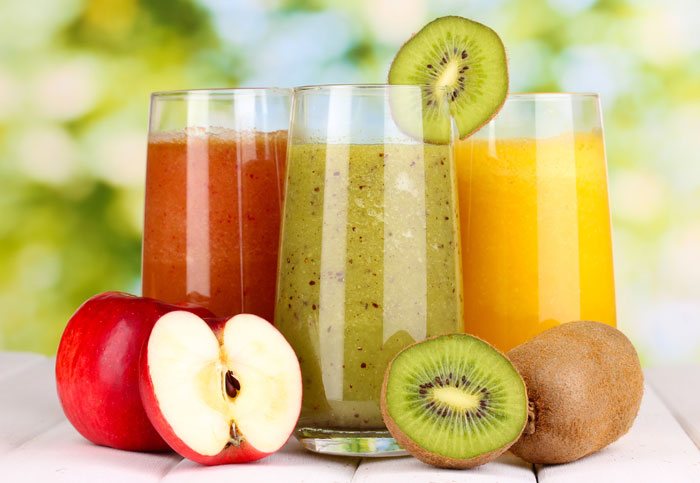
Juicing has become a popular way to add more fruits and vegetables into everyday life—but, like many wellness trends, it’s worth approaching with a little balance and perspective.
Disclosure: This post contains affiliate links. If you click and make a purchase, I may earn a small commission at no extra cost to you.
Fresh juice can provide vitamins and antioxidants, and it’s a simple way to enjoy produce, especially for people who struggle to eat enough fruits and vegetables. At the same time, juicing removes much of the natural fiber that helps support digestion, fullness, and steady energy.
Like most things, it’s less about extremes and more about finding a thoughtful, balanced approach that works for your body and your lifestyle.
The good news is that if you enjoy a healthy balance of both juicing and whole foods, then you’ll be in good shape!
How to Make Juicing Healthier
When juicing, try to use more vegetables than fruit. This will reduce the sugar content, making your juice healthier overall. Pair juice with whole foods and don’t rely on juice alone to meet your nutritional goals.
Juicing vs. Blending: What’s the Difference?
Blending fruit and vegetables keeps fiber intact, making smoothies more filling and balanced.
What to do With the Pulp From Juicing
When juicing, people often ask, “What do I do with all the pulp left over from juicing?”
Here are a few suggestions:
- Add the fruit and veggie pulp to muffins, waffles, or pancakes.
- Add the veggie pulp to soups and stews for flavor and thickening.
- Compost. If you aren’t composting, now might be a great time to start! You can add the pulp from your juicer directly to your garden soil, but a better choice is to add it to a compost pile to let it decompose for a few days before using it on your plants.
Even though juicing is an excellent way to get many nutrients from fruits and vegetables, remember also to eat a few servings daily. Nutritionists recommend consuming two whole fruits and three to four vegetables a day, in addition to juicing. The vegetables should be of different colors, offering a variety of vitamins and minerals.
Juicing doesn’t have to be all or nothing. Fresh juice can absolutely be part of a healthy lifestyle, especially when used to complement—not replace—whole, nourishing foods. Sometimes the healthiest approach is the simplest one: adding more fruits and vegetables where you can, listening to your body, and choosing habits that feel balanced, sustainable, and supportive over time.
Thinking of purchasing a juicer? Check out these juicers from Amazon!