
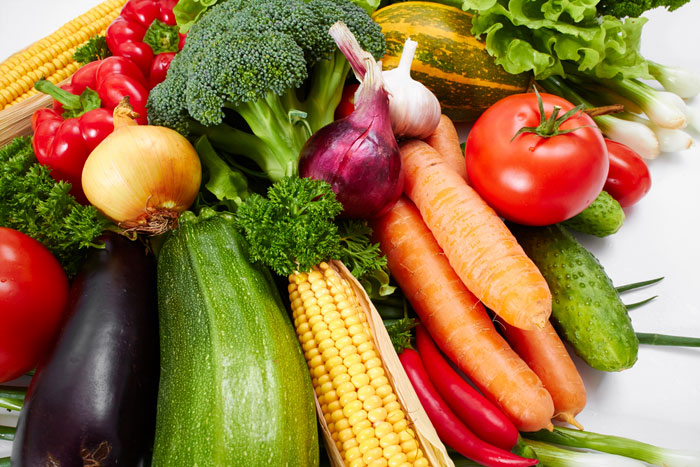
Fresh fruits and vegetables bring so much color, flavor, and nourishment into the kitchen, but they can also spoil faster than we’d like if we’re not careful. The good news is that a few simple storage habits can help keep produce fresher longer, reduce food waste, and make healthy eating feel easier and more practical day to day. Sometimes the smallest changes in how we store food make the biggest difference in how much we actually use and enjoy it.
Disclosure: This post contains affiliate links. If you click and make a purchase, I may earn a small commission at no extra cost to you.
Why Produce Spoils Quickly
Controlling moisture is one of the most important things you can do to keep your fresh produce from going bad. Moisture can cause mold on fruit and wilting in vegetables. Line your crispers with a paper towel to help absorb moisture, or toss a sheet of FreshPaper into your bowl or crisper to help keep your produce fresh 2 to 4 times longer. We’re a fan!
“Our customers say it’s like a dryer sheet for your fruit,” says inventor Kavita Shukla, who created FreshPaper with spices from a home remedy her grandmother in India made for her as a child.
“The main ingredient is sweet-smelling fenugreek, which inhibits bacterial and fungal growth. The maple-like scent tells you the sheet is active,” says Kavita.
The cost for 8 sheets starts at $12.99, which is a bargain when you consider what you pay for produce and how much longer it will keep. Once in use, a FreshPaper sheet will last one month or longer, until the maple-like scent fades.
You can purchase them on Amazon, at Whole Foods, or directly from FreshPaper.
Produce That Shouldn’t Be Stored Together
Also, ethylene-producing produce, such as bananas, apples, tomatoes, avocados, peaches, cantaloupe, kiwi, and figs, should be kept separate from more sensitive produce like dark leafy greens, broccoli, cabbage, carrots, eggplant, green beans, and cucumbers. Combining these types of produce will cause the more sensitive produce to age and spoil prematurely. Keeping them in separate crispers, or, if you have only one crisper, storing them in separate containers within the same drawer will help keep them fresher, longer.
Onions give off a ripening gas, so keeping onions and potatoes together in the pantry will cause the potatoes to sprout and spoil more quickly. Leaving the tops on your carrots will cause your carrots to turn soft and wilt—so be sure to cut the tops off immediately upon bringing them home from the grocery store.
Consider Freezing Produce to Preserve It Longer
Other alternatives for preserving your produce include freezing, which can keep much of it safely for an additional 3 to 6 months. To prep your produce for freezing, wash and dry it thoroughly, chop as needed, and store it in freezer-safe containers or freezer bags. Most produce, once frozen, is suitable only for cooking.
Keeping produce fresher longer isn’t about perfection; it’s about creating simple habits that help food last, reduce waste, and make everyday meals feel a little easier. Over time, those small choices add up. A well-stored bunch of greens, a frozen ripe banana, or vegetables used before they spoil may seem minor in the moment, but together they help create a kitchen that feels more mindful, practical, and nourishing every day.
Learn which foods are stored in the fridge and which belong in the pantry.