Choosing dairy alternatives today is much simpler than it used to be.
From creamy oat milk and rich cashew sauces to dairy-free yogurts, cheeses, and frozen desserts, plant-based options have grown far beyond just a single generic substitute on the grocery store shelf.
Why People Choose Dairy Alternatives
People have different reasons for choosing dairy alternatives: a plant-based lifestyle, lactose intolerance, or environmental and ethical reasons.
Best Plant-Based Milk Alternatives
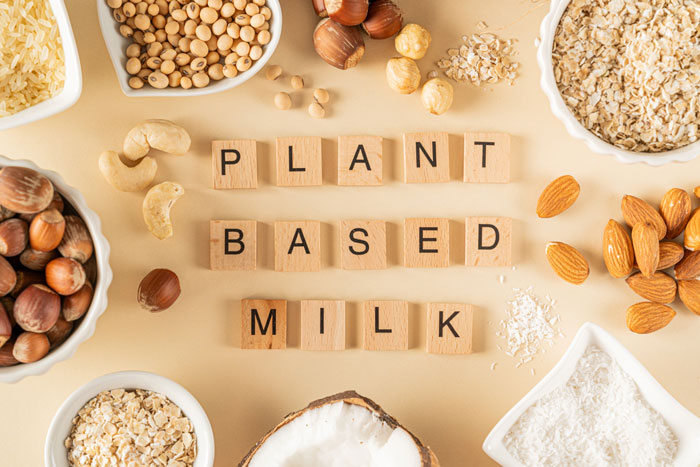
Oat, almond, soy, and coconut milks are among the most popular sold in the United States today, with soy milk being closest to dairy milk in protein content. Below is a breakdown of various unsweetened plant-based milks, cup-for-cup in calories, total fat, protein, and calcium based on the % daily value:
ALMOND
60 calories
2.5g fat
1g protein
45% DV calcium
CASHEW
25 calories
2g fat
1g protein
45% DV calcium
COCONUT
80 calories
5g fat
1g protein
45% DV calcium
FLAX
25 calories
2.5g fat
0g protein
30% DV calcium
HAZELNUT
110 calories
3.5g fat
2g protein
30% DV calcium
HEMP
110 calories
7g fat
5g protein
2% DV calcium
OAT
130 calories
2.5g fat
4g protein
35% DV calcium
RICE
120 calories
2.5g fat
1g protein
30% DV calcium
SOY
90 calories
3.5g fat
6g protein
45% DV calcium
WHOLE MILK (DAIRY)
149 calories
7.7g fat
8g protein
28% DV calcium
BUTTERMILK (DAIRY)*
160 calories
9g fat
8g protein
30% DV calcium
Daily Values based on a 2000-calorie-a-day diet.
Dairy-Free Cheese Alternatives
Cashew cheese, along with nutritional yeast, is a popular homemade option used for everything from making mac & cheese sauce to seasoning popcorn. Store-bought vegan cheeses vary in ingredients and use vegetable fats, plant proteins, and starches to replicate taste and texture. The base of these cheeses is usually made with cashews, macadamia nuts, almonds, soybeans (tofu), or coconut oil/milk for creaminess.
Dairy-Free Yogurt and Ice Cream Alternatives
Look for coconut yogurt, almond yogurt, and oat-based ice creams and other frozen desserts.
Butter and Cream Substitutes
Look for vegan or plant-based butter, coconut cream, and cashew cream. Don’t forget that almond butter and peanut butter are dairy-free as well!
Are Dairy-Free Alternatives Healthy?
It really depends on the brand, the ingredients, and the fortification list. Watch for added salt, sugar, and unhealthy additives. Calcium and vitamin B12 fortification also matter.
Exploring diary alternatives doesn’t have to feel restrictive—it can actually open the door to all kinds of new flavors, ingredients, and ways of cooking that feel both nourishing and really enjoyable.
Like many changes, those in the kitchen often start with small swaps and simple curiosity. Over time, those little choices can grow into full meals and routines that feel natural, balanced, and fully your own.