
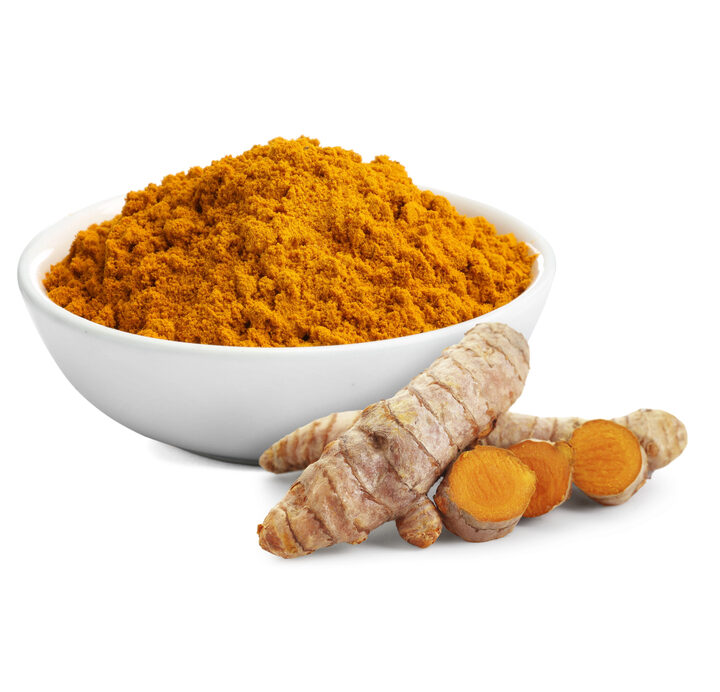
Turmeric has been used in cooking and traditional wellness practices for centuries. Yet, in recent years, it has gained even more attention for its potential health benefits and vibrant golden color.
Let’s break it down:
Heart health:
Turmeric may help improve the function of blood vessel linings, reduce oxidative stress, and balance cholesterol levels.
Fights inflammation:
Curcumin is the active compound in turmeric and is known for its anti-inflammatory properties. It works at the molecular level, making it helpful for conditions like rheumatoid arthritis and common joint discomfort.
Supports brain function:
Research suggests curcumin may support brain function by boosting a hormone called Brain-Derived Neurotrophic Factor (BDNF), which is linked to the growth of new neurons and possible protection from cognitive decline.
Boosts the body’s antioxidant defenses:
Turmeric neutralizes free radicals, protecting your cells and organs from oxidative damage associated with aging and various chronic diseases.
How to use turmeric:
Curcumin has poor bioavailability, making it hard for your body to absorb on its own. Adding a pinch of black pepper can increase its absorption by up to 2,000%
Pair turmeric with healthy oils, avocados, and yogurt. This will make it easier for your body to absorb.
If you’re looking for a medicinal dose to aid in joint pain, you may want to consider taking turmeric supplements.
Before starting a high-dose turmeric supplement, check with your doctor, as it can interact with certain medications, such as blood thinners.
Turmeric is not a magic cure, but it can be a flavorful, nourishing, and helpful ingredient that contributes to an overall healthy lifestyle.