
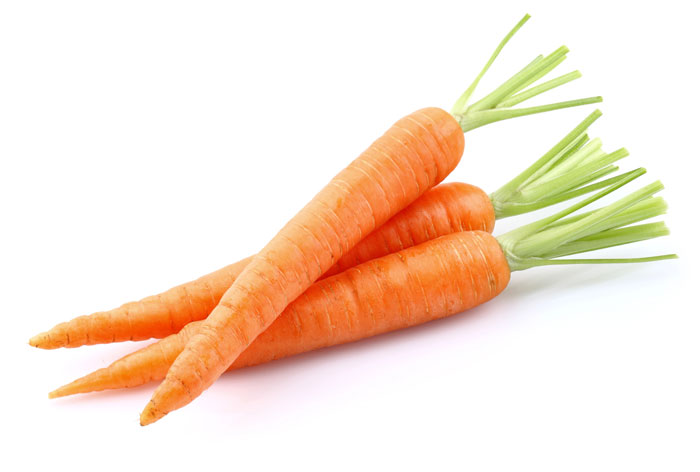
Naturally sweet, crisp, and incredibly versatile, carrots are a colorful staple in plant-based cooking. They can be roasted, steamed, blended into soups, added to baked goods, enjoyed fresh in salads, or used as a snack. With their bright flavor and sweetness, carrots add sweetness, texture, and wholesome goodness to all kinds of plant-based meals.
The Health Benefits of Carrots
Carrots provide more health-promoting carotenoids than any other vegetable. Carotenoids, the antioxidants that give carrots their yellow-orange color, may help protect against certain cancers, heart disease, and cataracts. In addition, the body converts beta-carotene into vitamin A, which is crucial for maintaining retinal function, protecting the eyes against macular degeneration, and preventing night-blindness. Vitamin A is also essential for healthy skin and helps boost the immune system. Other benefits of carrots include soluble fiber, vitamin C, and calcium.
How to Buy Carrots
Select firm, bright orange carrots void of splits or cracks. The deeper the orange color, the more beta-carotene it contains. The leafy tops should be bright green.
How to Store Carrots
If you buy carrots with the greens attached, trim the greens to approximately 1 inch immediately. Otherwise, the carrots will go limp and lose their nutrients more quickly. Keep the greens for use in salads. Carrots without their tops will stay fresh for about two weeks when stored in a plastic bag in the refrigerator.
How to Prepare Carrots
Since beta-carotene is fat-soluble, carrots can be cooked with a small amount of healthy oil, such as olive oil, or dressed in a salad with oil and vinegar. Adding oil will help your body better absorb the beta-carotene.
How Baby Carrots Are Grown
Farmers create “baby carrots” by planting carrots very close together, keeping them slender and easier to cut. Once they are picked, they are peeled, cut, and packaged for market.
Looking for more plant-based basics? Visit our Nutrition Guide.