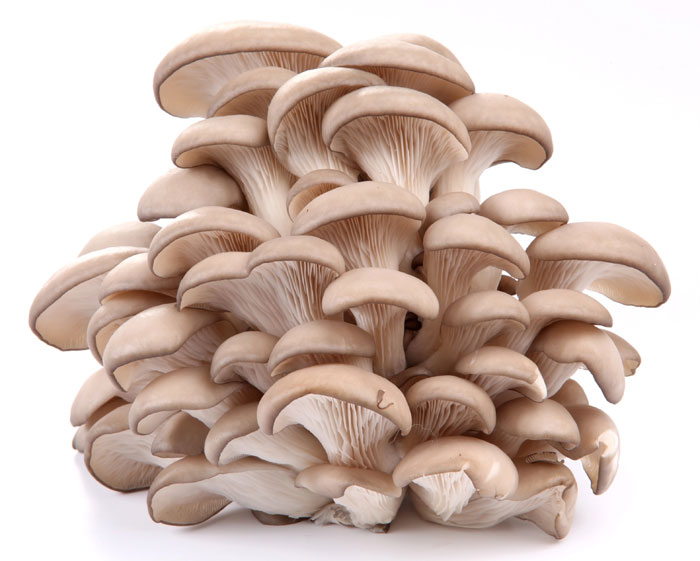
Earthy, savory, and wonderfully versatile, mushrooms bring rich flavor and hearty texture to plant-based cooking. They can be sautéed, roasted, grilled, blended into incredible sauces, or added to everything from pasta dishes and soups to burgers and stir-fries. With their comforting umami flavor, mushrooms make plant-based meals feel satisfying, cozy, and full of depth.
The Health Benefits of Mushrooms
The benefits of consuming mushrooms are abundant. Of all the earth’s natural substances, mushrooms are among the most medicinal. All mushrooms are low in fat and are a good source of B vitamins, including folate, which helps protect against congenital disabilities and may help prevent heart disease. Many mushrooms also provide vitamin D, which helps the body absorb calcium. In addition, each type of mushroom has specific qualities. Maitake mushrooms have cancer-fighting properties, while Shiitakes may boost the immune system. Morels provide seven amino acids, and portobellos, including creminis or baby portobello, are a prime source of potassium. Even white button mushrooms contain more antioxidants than the more expensive maitakes, and studies show they may even help prevent breast cancer. Dried mushrooms have the same nutritional value as fresh mushrooms, but with a more intense flavor.
How to Buy Mushrooms
Look for mushrooms with a firm texture and gills that are either pink or tan. Avoid those that are slimy or have pitted caps. If possible, buy whole mushrooms in bulk rather than pre-sliced and packaged. If you do buy packaged mushrooms, choose packages with larger pieces and lots of caps. Dried mushrooms are sold by weight, so when measuring for recipes, keep in mind that 1 ounce is about 1 cup of prepared mushrooms.
How to Store Mushrooms
Keep fresh mushrooms in a paper bag in the refrigerator for up to 3 days. Never store mushrooms in plastic, as moisture can be trapped, making them soggy and slimy. Store dried mushrooms in an airtight container in a cool, dark, dry place for up to 1 year – do not refrigerate.
How to Prepare Mushrooms
Use a soft, dry brush or paper towel to remove any dirt from fresh mushrooms before using. For hard-to-remove dirt, rinse the mushroom under a thin, gentle stream of cold water. Dry thoroughly with clean paper towels. Cut off the tough end of the stem of white button mushrooms, creminis, portobellos, and oyster mushrooms, or remove them entirely. The stems of Shiitake and Maitake mushrooms, while edible, are tough and fibrous and should be removed or thinly sliced.
Sauté mushrooms in a bit of oil or butter over medium-high heat, turning them until tender and slightly crispy and golden. Use them in pasta, soups, stews, sandwiches, or on pizza. Whole Portobello caps can be seasoned and grilled for 4 to 5 minutes on each side, then used to make meatless burgers, a popular alternative in plant-based eating. To prepare dried mushrooms, rinse under cold water to remove any grit. Soak in warm water to soften. Important: Drain the mushrooms in a sieve lined with a paper towel or coffee filter, and reserve the liquid for recipes that call for broth, such as soups, stews, or risottos for a delicious depth of flavor.
A Little Mushroom Trivia
Mushrooms are a type of fungi, not a plant, and have been used in China and Japan for centuries to boost immunity and fight cancer and other diseases.
Looking for more plant-based basics? Visit our Nutrition Guide.