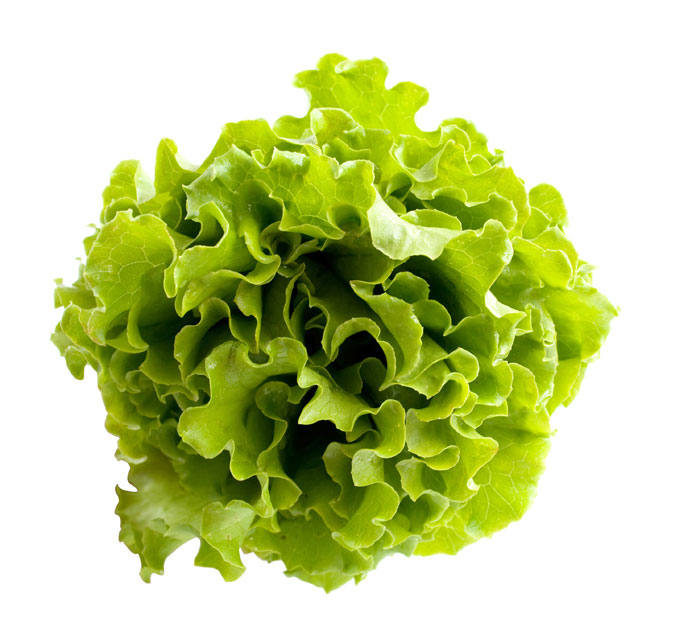
Fresh, crisp, and wonderfully refreshing, lettuce is a simple yet versatile staple in plant-based cooking. It adds texture and brightness to salads, sandwiches, wraps, tacos, and grain bowls, and pairs beautifully with a wide variety of flavors. From light and crunchy to tender and leafy, lettuce brings a fresh, wholesome touch to everyday plant-based meals.
The Health Benefits of Lettuce
The health benefits of lettuce vary depending on the variety. For example, iceberg lettuce has little to no nutritional value outside of aiding in hydration, while its dark green leafy cousins are packed with nutrients like vitamin K (bone health) and vitamin A (immunity and vision). Dark-colored leaf lettuce also contains fiber, vitamin C, potassium, calcium, iron, and copper.
How to Buy Lettuce
Choose a crisp, deep-colored, leafy lettuce free from torn or bruised leaves. If buying iceberg lettuce, look for a solid, heavier head of lettuce, which means it is well hydrated and crisp, with dark green leaves on the outside, and white near the root end (no brown spots).
How to Store Lettuce
Wash and dry the lettuce thoroughly using a salad spinner or a clean towel. Loosely wrap a paper towel around the head of lettuce to absorb excess moisture, then place it in a container or plastic bag and put it in the crisper. The lettuce will stay fresh for 1 to 3 weeks.
How to Prepare Lettuce
Rinse the head of lettuce in cold water using a vegetable spray if desired. Remove one or two of the outer leaves as they can be a little leathery. Next, remove the root by holding the head firmly in both hands and hitting it, root side down, on a hard surface. Use enough force to pop the root loose, then grab the root and pull it straight out. Use whole leaves or shred the lettuce to dress sandwiches. Chop or tear the leaves for salads just before serving. Combine lettuce with other leafy greens, fresh-cut veggies, fresh fruit, dried fruit, nuts, herbs, and seeds, and toss with your choice of dressing for a delicious salad. To make “The Wedge”, quarter the head of lettuce, then drizzle on your salad dressing and add plant-based bacon bits.
Why Lettuce Turns Brown
Cut lettuce leaves release an ascorbic acid oxidase, which destroys their vitamin C and causes the cut edges to discolor and turn brown. If possible, do not chop or cut lettuce leaves in advance. If the uncut, untorn leaves turn brown, the lettuce is likely past its prime.
Looking for more plant-based basics? Visit our Nutrition Guide.