
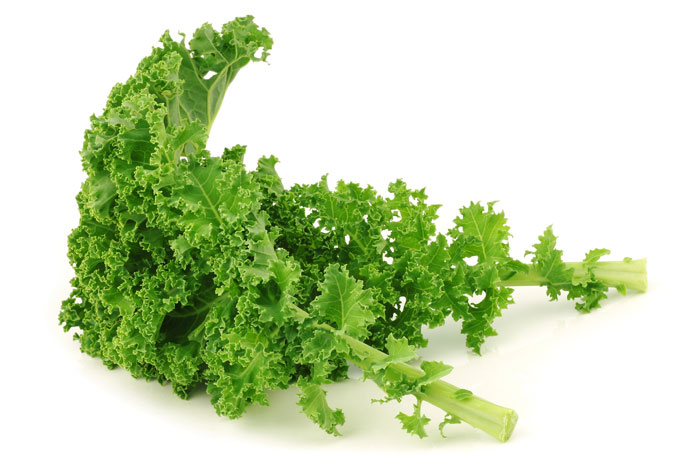
Hearty, vibrant, and packed with goodness, kale is a versatile favorite in plant-based cooking. It can be enjoyed fresh in salads, blended into smoothies, baked into crispy chips, or added to soups, pasta dishes, and grain bowls for extra flavor and texture. With its earthy flavor and nourishing qualities, kale adds a wholesome, satisfying touch to plant-based meals.
The Health Benefits of Kale
Kale grows in a wide variety, including tightly curled Vates and the red-to-purple-veined Red Russian. Red kale is sweet enough to eat raw, as are Tuscan and Lacinato kale. This low-calorie green, an incredible source of antioxidants, is extremely nutrient-dense, an excellent source of vitamins A, B6, and C, and high in fiber, iron, and calcium. Our bodies absorb the calcium found in kale better than that found in spinach, as its leaves contain less oxalic acid, a substance that can disrupt the absorption of nutrients. The vitamin K in kale is essential for blood clotting and far surpasses that of broccoli, spinach, and Swiss Chard. It also contains unique nutrients that may help safeguard the eyes from macular degeneration and cataracts.
How to Buy Kale
Choose deeply colored, crisp-textured leaves that are free of blemishes or yellow spots. Avoid kale that appears wilted or limp.
How to Store Kale
Store kale loosely in a plastic bag or an airtight container in the refrigerator for 5 to 7 days.
How to Prepare Kale
Remove the thick woody stems using a pairing knife. Stack and roll the leaves, then cut them crosswise into thin ribbons. If you plan to cook your kale, steaming is best for retaining nutrients, though braising or sautéing might be better for flavor. The sweeter varieties of kale can be chopped and served raw in salad form. It’s best to massage the leaves with a small amount of healthy oil to soften them before serving. We suggest adding a little citrus juice or apple cider vinegar, along with a variety of thinly cut veggies or dried fruit and nuts, for a delicious salad.
A Little Kale Trivia
In Scotland, the word kail once referred not only to the plant but to food in general, as it factored into most meals. Now, kale is used in many skin care products and even in nail polish. It really is a superfood!
Looking for more plant-based basics? Visit our Nutrition Guide.